
Dog Recall Training: Why Your Dog Comes Back at Home but Not Outside
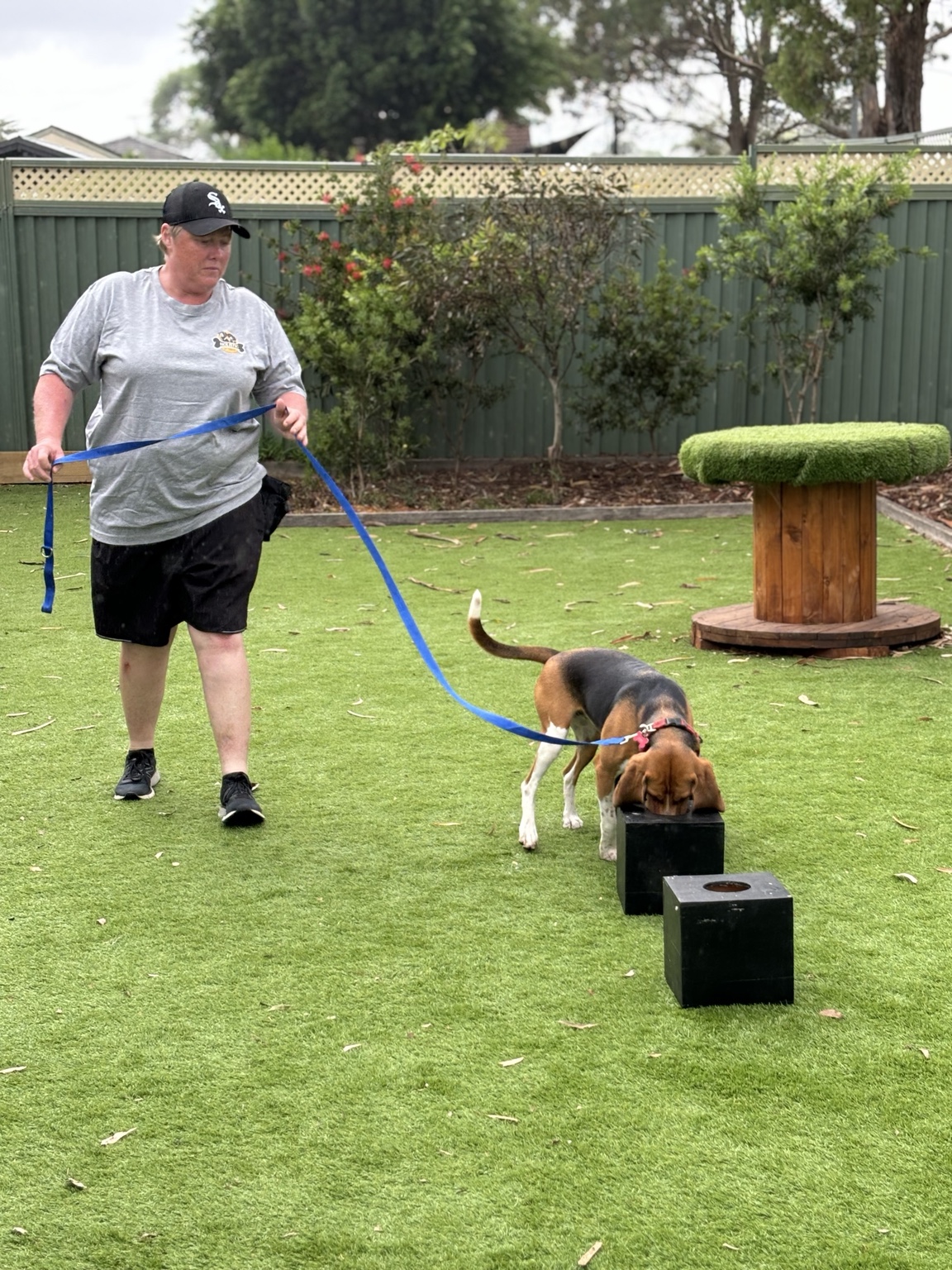
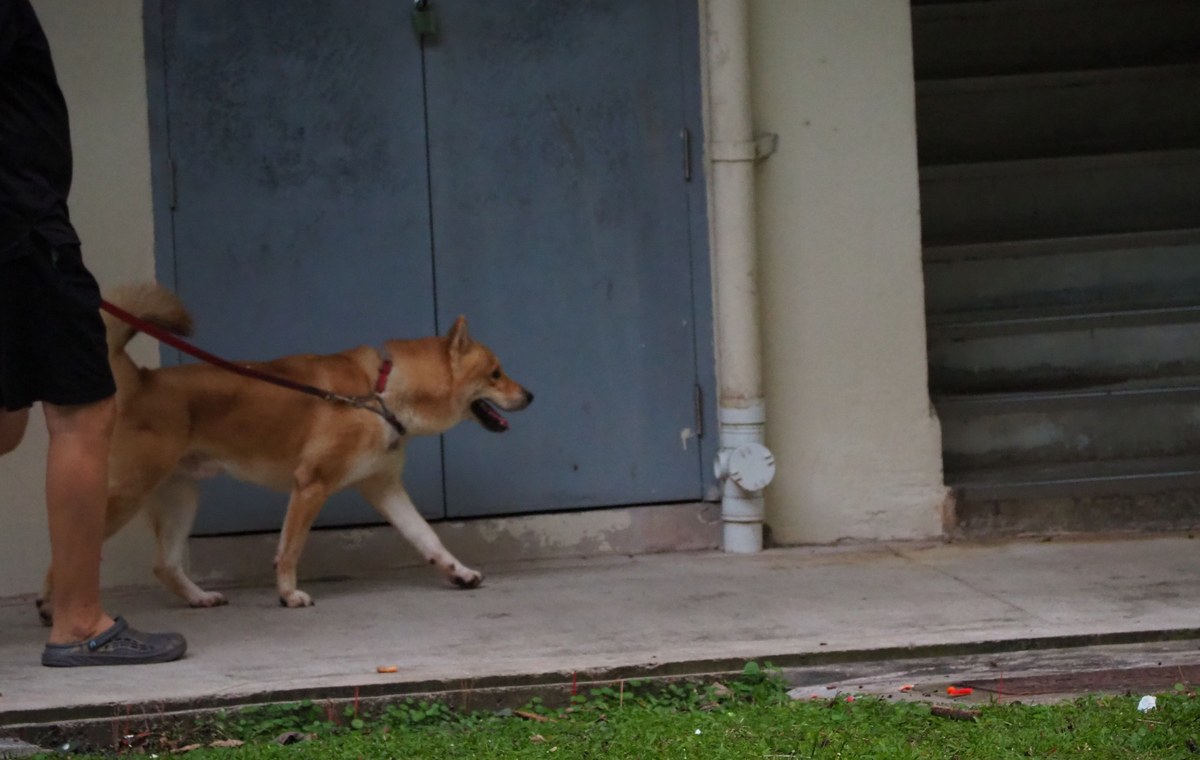
Your dog races to you in the kitchen. At the park? Selective hearing. It's one of the most frustrating things about living with a dog — and one of the most fixable once you understand what's going on.
Why recall works inside but not outside
Dogs don't generalise well. Coming when called in the lounge room, with nothing else going on, is a very different skill from coming away from a fascinating smell, a running dog or a flock of birds. Outside, you're competing with the whole world — and the world is often more interesting than a dry biscuit.
There's also history. If "come" has often meant the end of fun (lead on, going home) or been repeated ten times with no response, your dog may have learned the word is optional.
1. Build value for coming back
Recall should be the best deal your dog ever gets. Use your very best rewards — chicken, cheese, a game of tug, or permission to go back and sniff. Practise in easy places and reward generously every single time.
If your recall word has been "poisoned" by lots of failures, start fresh with a new one.
2. Use a long line while you train
A long line (5–10 metres, attached to a harness) gives your dog freedom while stopping them from practising running off. It means you can call only when you know your dog is likely to come — and help them if they don't. Every successful repetition builds the habit.
In NSW, dogs must be on lead in public places except in designated off-leash areas, so a long line is also a great way to give your dog more freedom legally in on-lead parks (check local council rules).
3. Increase difficulty in small steps
Change one thing at a time: first distance, then distraction, then new places. If your dog doesn't respond, the jump was too big — make it easier, get a success, and build again.
A useful rule: if you're not sure your dog will come, don't call. Go and get them, and make a note that you need to practise that situation.
4. Don't make coming back a punishment
- Call your dog several times during a walk, reward, and let them go back to playing.
- Never tell your dog off when they arrive, however long they took.
- Avoid calling for things they dislike — go and get them for baths or nail trims.
5. Work with your dog's instincts
Scent hounds, working breeds and sighthounds can have strong instincts to follow a smell or chase. That doesn't make recall impossible — it means using what they love as the reward. For a beagle, "come" followed by "go sniff" can be far more powerful than food. Activities like scent work and Mantrailing also give those instincts an outlet.
The payoff
A reliable recall is a safety skill and a freedom skill. It's worth investing in — and it's much easier with a plan than by shouting louder at the park.
Want help with this?
A private recall session gets you set up with a long line, the right rewards and a progression plan that fits your dog — at a local park, not just in your backyard.
Or read about recall training.
The first step is a conversation.
Not sure which service fits? Start with a free 15-minute phone chat. Tell Megan what's going on and she'll suggest the most useful place to start — no pressure to book.
- Call or text0466 654 635
- Emailmegan.holistichounds@gmail.com
- Service areaCampbelltown, Macarthur & Western Sydney
Already a client? Book your next session online.
Tell Megan about your dog
A few quick details helps Megan suggest the right starting point. She'll reply within one business day — or book a free 15-minute phone chat if you'd rather talk it through.