Reactive Dog Training: What to Do When Your Dog Barks or Lunges on Walks
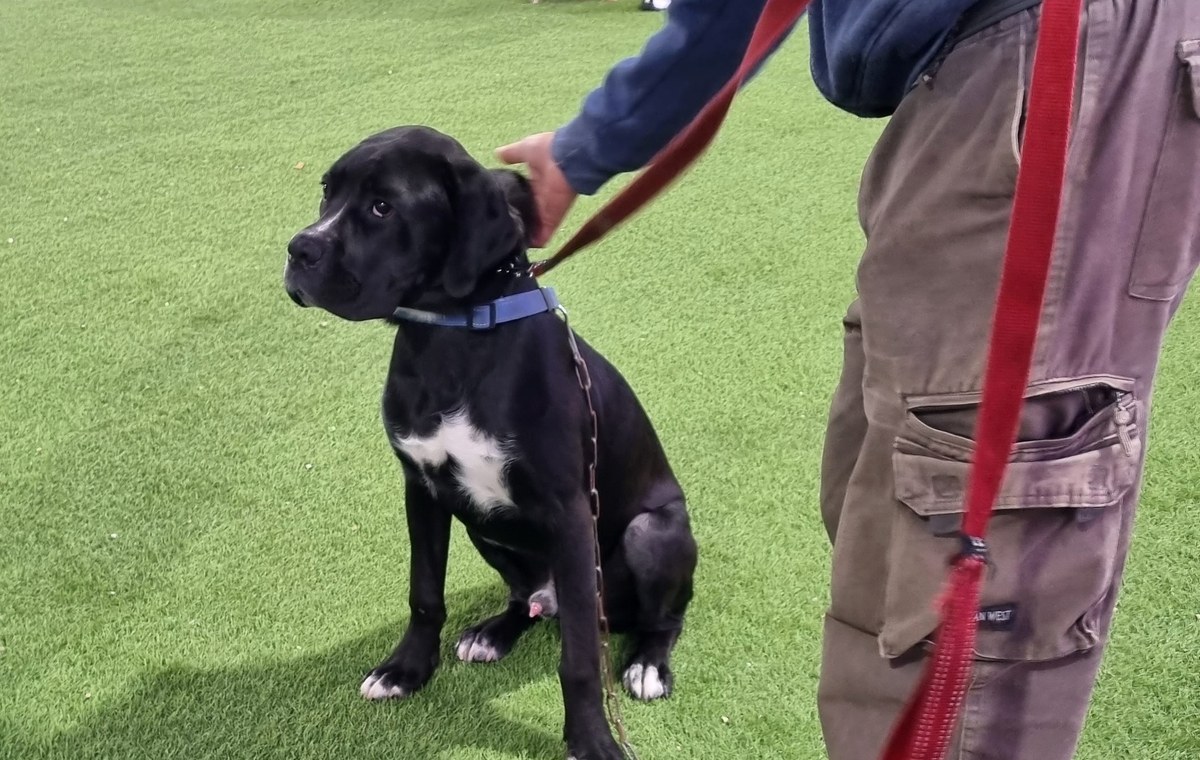
If your dog barks, lunges or spins at the end of the lead when they see another dog, a person, a bike or a car, you're not alone. Reactivity is one of the most common reasons owners around Campbelltown and Macarthur contact a trainer — and one of the most stressful things to live with. The good news: most reactive dogs can become much calmer on walks with the right plan.
What "reactive" actually means
Reactivity is an over-the-top response to something in the environment. It isn't a diagnosis and it isn't a personality flaw. The same-looking outburst can come from very different feelings:
- Fear — "That thing is scary, go away!" Often seen in dogs who were under-socialised or had a bad experience.
- Frustration — "I want to get to it and I can't!" Common in friendly dogs who used to greet everyone.
- Over-arousal — the dog is simply too wound up to think, and any trigger tips them over.
This matters because the plan for a frightened dog looks different from the plan for a frustrated one. That's why copying a generic video rarely fixes it.
What to do in the moment
When your dog is already barking and lunging, they are not in a state to learn. Your only job is to get them out of the situation calmly:
- Create distance. Turn and walk away, cross the road, or step behind a parked car. Distance is the fastest way to bring a dog back under threshold.
- Keep your voice light. Yelling or jerking the lead adds more stress to an already stressed dog — and can make the trigger feel even worse next time.
- Give them something to do. Once they can respond, scatter a few treats on the ground to sniff out. Sniffing helps lower arousal.
- Let them recover. A big reaction can leave a dog on edge for a while. Head home or somewhere quiet rather than pushing on.
Learn your dog's early warning signs
Almost every dog gives signals before an outburst. The earlier you notice them, the easier it is to help. Watch for:
- Staring or locking eyes on the trigger
- Stiffening, freezing or slowing right down
- Ears pricked hard forward or pinned back
- Closed mouth, weight shifting forward, tail rising or tucking
- Ignoring food they would normally take
If you catch these signs and move away, you've prevented a rehearsal — and every outburst you prevent makes the next one less likely.
Why distance and "threshold" matter
Trainers talk about working "below threshold": the distance at which your dog can notice the trigger but still eat, move and think. At that distance, your dog can learn that other dogs (or people, or bikes) predict good things. Too close, and learning shuts down.
For many dogs, that's surprisingly far away at first — sometimes the other side of a park. That's okay. The distance shrinks as your dog's confidence grows.
A simple starting exercise: at a comfortable distance, each time your dog looks at a trigger, say "yes" and give a tasty treat. Over many repetitions, many dogs start looking at the trigger and then turning back to you — a huge step forward.
Management makes the plan work
You can't train your way out of reactivity if your dog is having three big reactions every walk. Management reduces those rehearsals while training does its work:
- Walk at quieter times, or choose wider streets and open spaces.
- Drive to a quiet spot rather than walking past the barking dog two houses down.
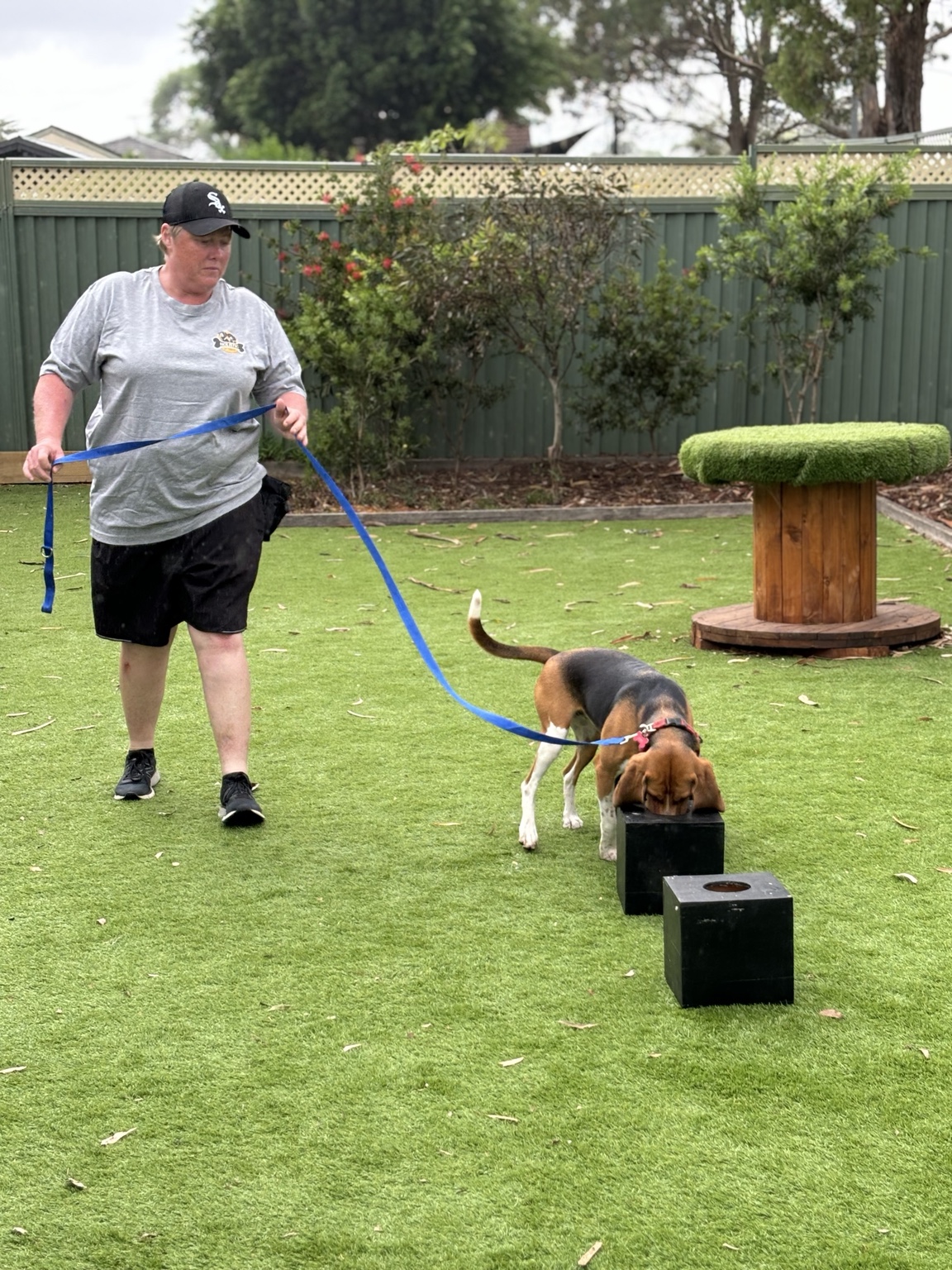
- Swap some walks for sniff-heavy enrichment such as scent work — it tires the brain without the stress.
- Use a comfortable, well-fitted harness and a lead long enough to let your dog move naturally.
- It's okay to skip a walk on a bad day. Rest days help stress hormones settle.
Why an individual plan helps
Because fear, frustration and over-arousal look similar from the outside, the biggest shortcut is working out what's really driving your dog's behaviour — and then choosing exercises, distances and routes that fit. A trainer can also spot handler habits (like tightening the lead when you see a dog coming) that accidentally make things worse.
If your dog has bitten, or the reactions are getting worse despite your efforts, get professional help early. Some dogs also benefit from a vet check, as pain and anxiety can play a big part in reactivity.
What progress looks like
Progress with a reactive dog usually isn't "never reacts again". It looks like:
- Noticing a trigger and choosing to look back at you
- Smaller reactions that are over faster
- Coping at closer distances than before
- You feeling confident about what to do when something appears
Those wins add up to walks you can actually enjoy again.
Want help with this?
If walks have become stressful, a private behaviour session will give you a plan built around your dog's triggers, your local streets and what your dog can realistically manage.
Or read about behaviour support.
The first step is a conversation.
Not sure which service fits? Start with a free 15-minute phone chat. Tell Megan what's going on and she'll suggest the most useful place to start — no pressure to book.
- Call or text0466 654 635
- Emailmegan.holistichounds@gmail.com
- Service areaCampbelltown, Macarthur & Western Sydney
Already a client? Book your next session online.
Tell Megan about your dog
A few quick details helps Megan suggest the right starting point. She'll reply within one business day — or book a free 15-minute phone chat if you'd rather talk it through.