
How to Teach Loose-Lead Walking Without Constantly Correcting Your Dog
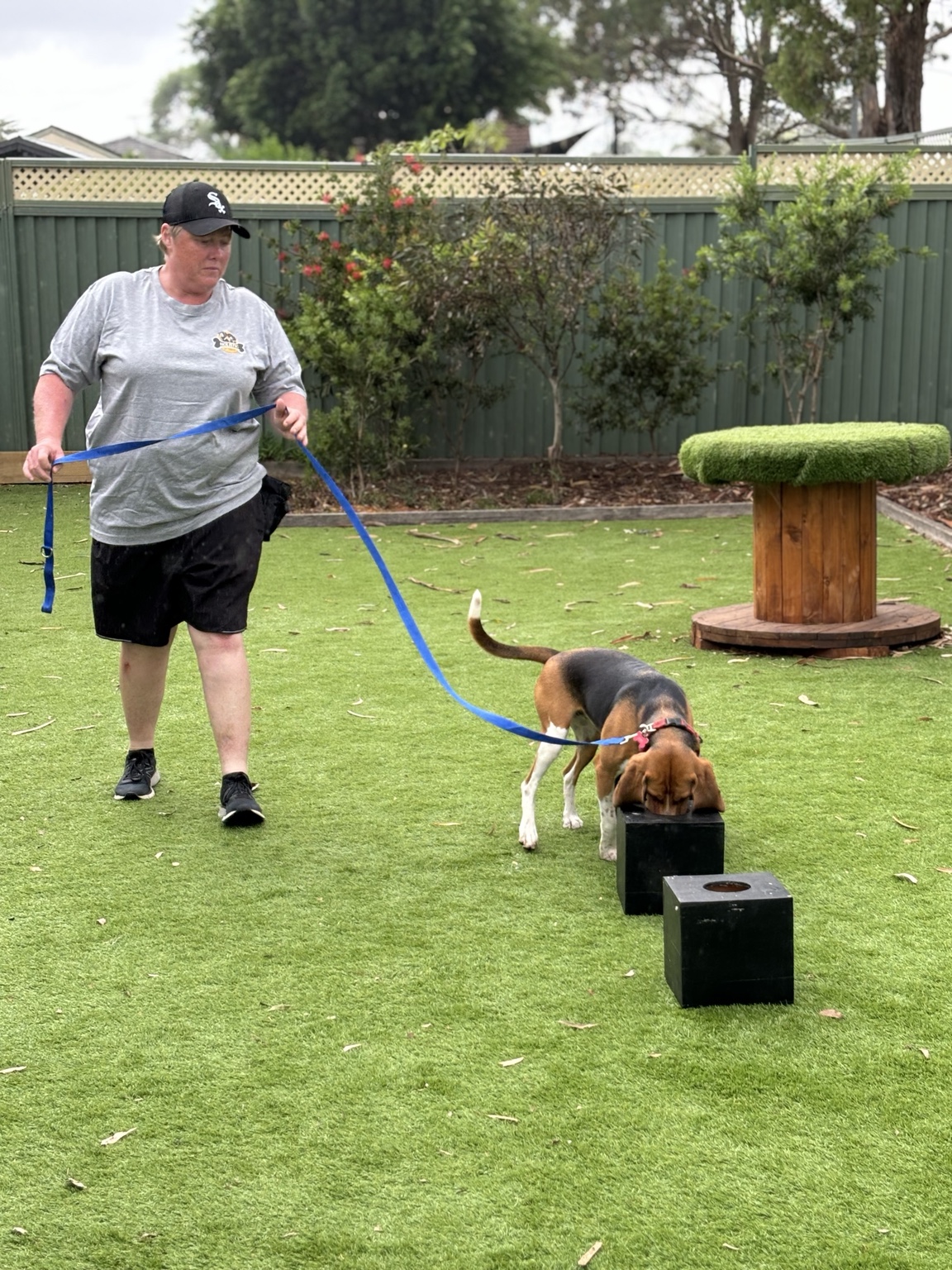
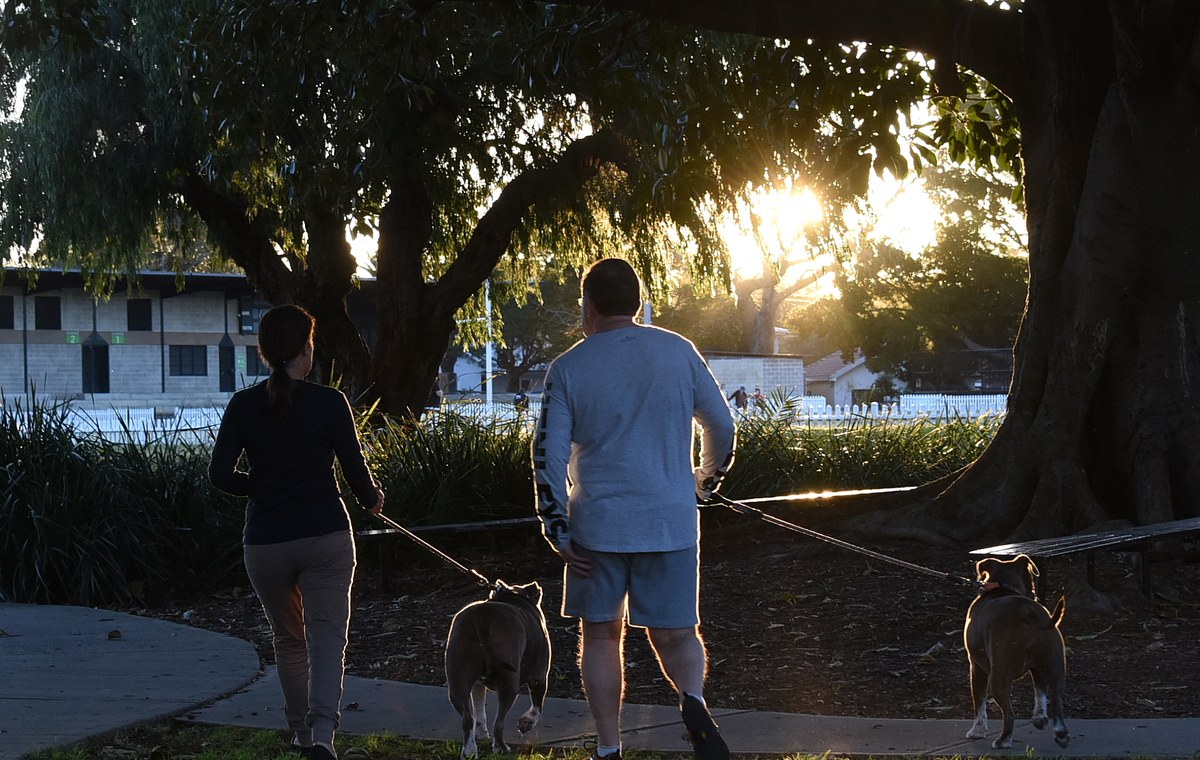
Pulling on the lead is the single most common thing owners ask me about. The good news is that you don't need to fight your dog every walk. When you teach your dog where to be — and make that the most rewarding place — pulling gradually loses its point.
Why dogs pull
Dogs pull because it works. Every time pulling gets them closer to the smell, the park or the other dog, it's rewarded. Dogs also naturally walk faster than we do, and the world outside is exciting. None of this is your dog being "dominant" — it's just learning.
Step 1: Start before you leave the house
If your dog is already bouncing off the walls when the lead comes out, they've hit the footpath over-excited. Practise clipping the lead on and waiting a moment for calm, then opening the door only when your dog is still with you. The walk starts calmer, so everything else is easier.
Step 2: Show your dog where to be
Pick a side. Hold a treat right at your leg on that side and reward your dog there — lots — for a few steps at a time. Where you deliver the reward teaches your dog where the "sweet spot" is. Handing treats in front of you draws your dog forward; delivering them at your seam pulls them back into position.
Step 3: Practise somewhere boring first
Your hallway, backyard or driveway is the place to learn. The footpath outside with the neighbour's cat is the exam. Build the skill with few distractions, then gradually add more.
Step 4: What to do when the lead goes tight
Instead of jerking or yelling, simply stop. Wait for your dog to glance back or step toward you, then reward and carry on. Or turn and walk the other way, rewarding when your dog catches up. The message is simple: pulling doesn't get you there, walking with me does.
Use sniffing as the reward. Say "go sniff" and let your dog explore the grass after a stretch of nice walking. Dogs need to sniff — so make it something they earn, not something they drag you to.
Step 5: Make it easier for your dog to succeed
- Equipment: a well-fitted, comfortable harness with a front and back clip, plus a lead of around 2 metres, gives your dog room to move naturally.
- Two walk modes: a "training" walk where you practise, and a "management" walk (drive to the park, or a sniffy walk on a long line) for days you don't have time.
- Short sessions: five focused minutes beats a frustrating hour.
When it isn't just pulling
If your dog walks nicely until they see another dog and then barks or lunges, that's likely reactivity rather than a walking problem. Read what to do when your dog barks or lunges on walks, or get in touch for help.
How long does it take?
Most owners notice improvement in the first week of consistent practice. Walking nicely in busy, distracting places takes longer — usually a few weeks — but every calm walk makes the next one easier.
Want help with this?
If your dog pulls every walk, a private session can show you the handling and reward placement that makes the biggest difference — on the streets you actually walk.
Or read about loose lead walking.
The first step is a conversation.
Not sure which service fits? Start with a free 15-minute phone chat. Tell Megan what's going on and she'll suggest the most useful place to start — no pressure to book.
- Call or text0466 654 635
- Emailmegan.holistichounds@gmail.com
- Service areaCampbelltown, Macarthur & Western Sydney
Already a client? Book your next session online.
Tell Megan about your dog
A few quick details helps Megan suggest the right starting point. She'll reply within one business day — or book a free 15-minute phone chat if you'd rather talk it through.